
About and Rules
Raksha - Board MOBA Tactical Strategy Arena

Raksha is a turn-based board battler. Movement, duels, skill objects, shrine control, and positioning decide every match.
How to Play
- One action per turn: Move, Attack, or Skill (altar move also counts as your action).
- Movement is one tile in any of the 8 directions.
- Altars can move, but they cannot initiate attacks.
- When an Attack is done, the board judges the clash and settles the outcome.
- Gods do not carry unit HP bars. A fallen god returns to its home side and must re-enter the fight.
- Skills leave marks on the field, claim space, block routes, and change how the next approach must be played.
Win Conditions
- Altar defeat: attack the enemy altar with a god hero and win the duel for an instant win.
- Player HP: each side begins with a fixed life total for the current ruleset. It drops by 1 when one of your gods falls in a duel and returns, unless a blessing prevents that loss.
- HP reaches 0: that player immediately loses.
Shrines
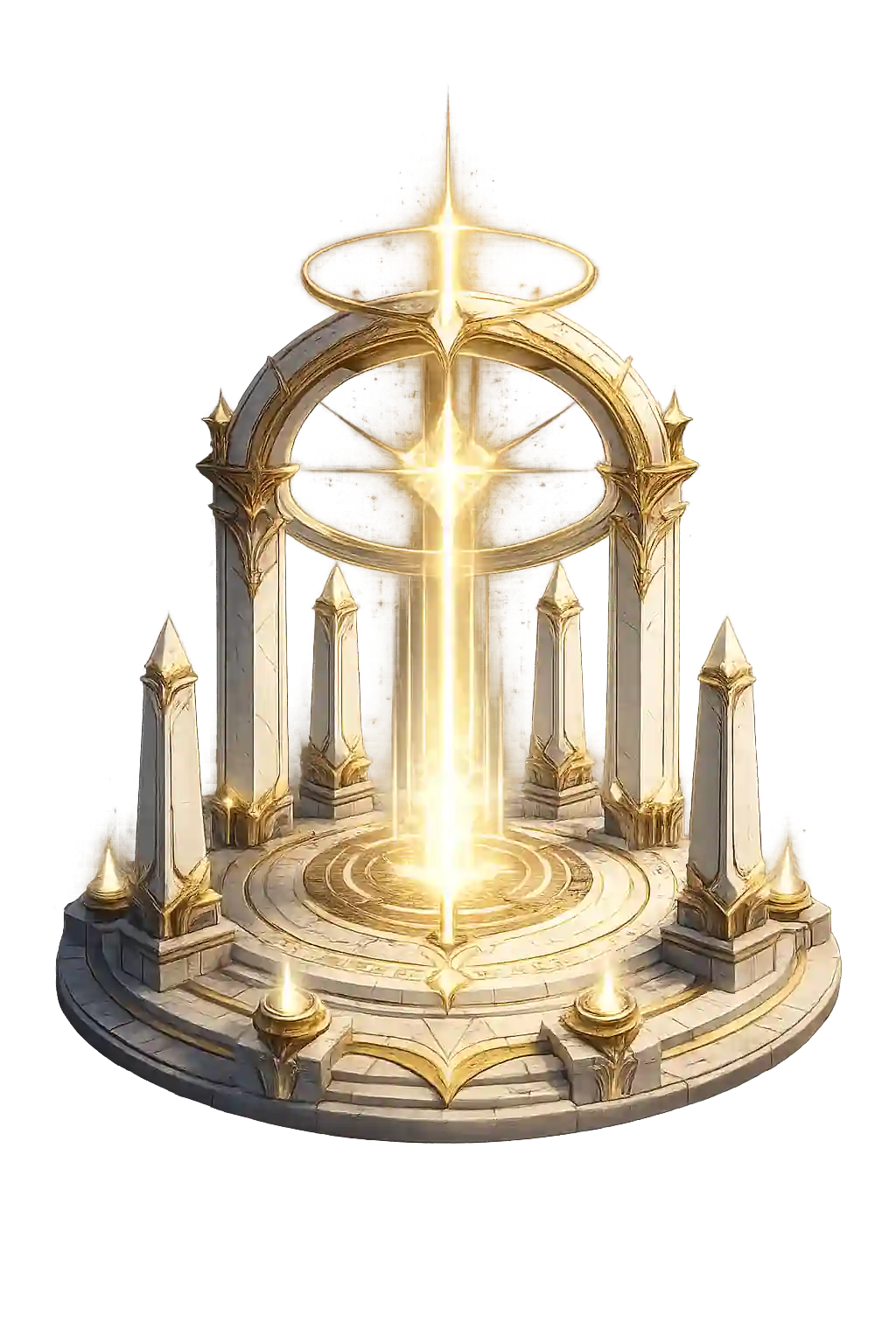
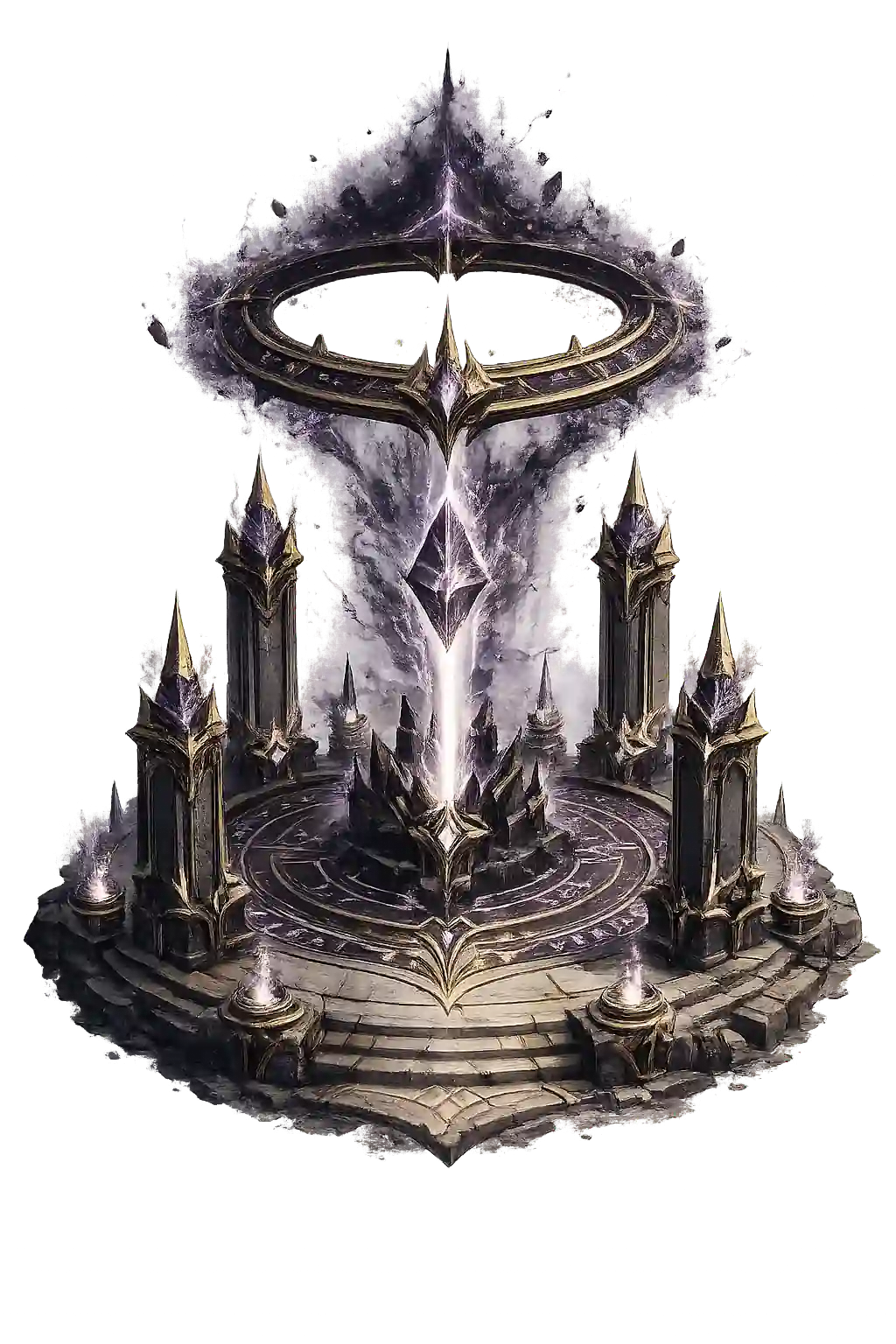
- Two shrines exist: Order and Chaos.
- The Shrine's blessing can be received by standing on the shrine for one full turn.
- Order blessing: wards off the first life loss from a defeated duel on that turn, then fades.
- Chaos blessing: tilts your next initiated attack duel in your favor, then burns away.
Chaordic Event
When Order and Chaos reach equilibrium the cosmos destabilizes and the battlefield collapses.
The Chaordic Event only triggers when HP stays tied for too long to avoid stale matches. If the tie breaks, the countdown resets immediately.
- Chaordic I: first warning appears at the 9th round and final warning on the 6th. The arena compresses to 7x7 if Chaordic is triggered.
- Chaordic II: another full tied countdown triggers the next collapse, with warnings at 9 and 6 rounds remaining. The arena now compresses to 5x5.
- Chaordic III: one more tied countdown, again with 9 and 6 round warnings, resets the battle to the original size and adds rotating Chaordic tiles. The center pattern shifts every 6 rounds in this order: X, Cross, then Square.
- Chaordic X: repetitive MOVE or SKILL target loops of 1, 2, or 3 steps escalate through three warnings first. If the same stagnation loop keeps continuing, that player loses 1 HP.
Preventing Chaordic is simple in principle: break the HP tie, press shrine or altar tempo before the countdown expires, and do not bounce the same hero between the same tiles or cast the same skill pattern repeatedly.
There is still a hard failsafe into Chaordic III if the active board lasts too long: 150 turns on 9x9, 120 turns on 7x7, and 90 turns on 5x5. If a new Chaordic III void pattern lands on a god or altar, that piece is reset to spawn or the nearest valid tile. Skills caught by the new void are destroyed.
Active Heroes
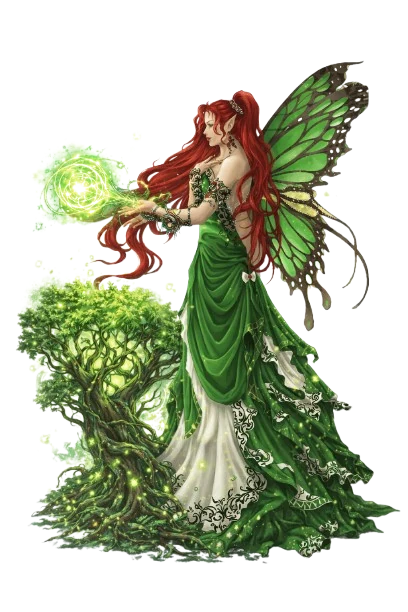
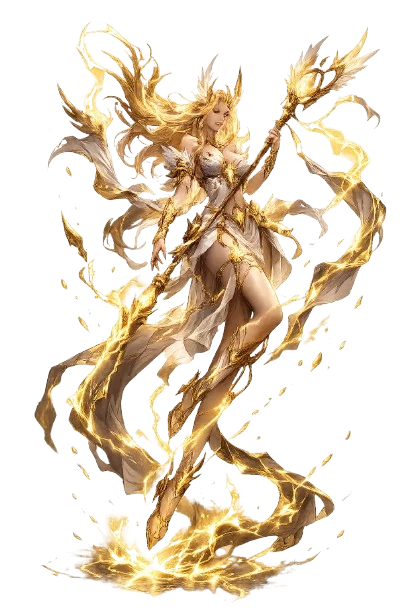
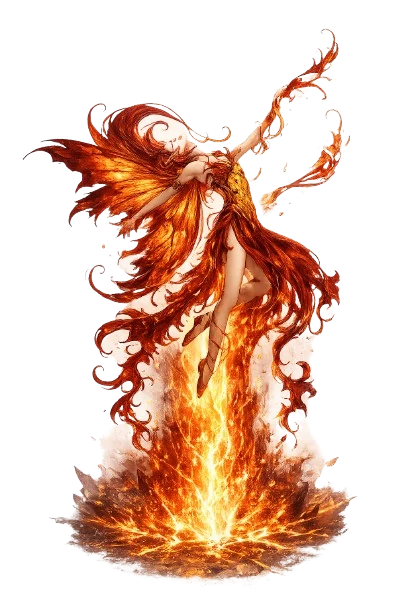
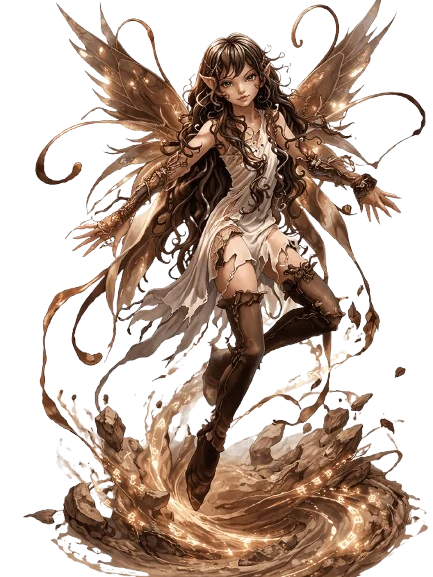
Select a champion chapter to open the Deities codex directly.


Game Modes
- Player vs Player (PvP)
- Player vs Bot (PvB)
- Bot vs Bot (BvB)
- Arena contains the Ranked PvP, Duel, and Tournament mode
- Watch live battles as they unfold across the board
Raksha Arena
Where strategy is judged and only the worthy ascend.
Raksha Arena is the competitive proving ground for ranked PvP, ranked Duel, and the coming Ascension Tournament. Build your contender, test it under deterministic rules, and step into the ladder when it is ready.
Every match is a trial. Every victory is a step toward ascension.
Forge your bot. Shape its destiny. In Raksha, every great ascent begins with a single creation.
How to Create Your First Bot
Build the contender, teach it the board, then test it before you commit it to ranked Duel.
Download the Raksha Template Bot
Begin with the official template bot. It already carries the Raksha game context and deterministic rules, so you start from a stable competitive foundation.
Download botShape Its Strategy
Tune the logic yourself or with your preferred AI workflow. Decide how your bot routes, channels shrines, takes duels, and closes matches.
Read basics tutorialTest It in Bot vs Bot
Open Play with Bot vs Bot preselected, upload your contender, and run live practice battles before you deploy it into ranked Duel.
Open Bot vs BotEnter the Arena
When your bot is ready, study how rank progression, protections, and Arena standing work before you deploy it into Duel.
Refine. Evolve. Ascend. Watch how your bot performs, sharpen its logic, and return stronger each time Raksha calls it back to the board.
Rank Matches
Rank play is where Raksha records rating gains, losses, and protections for long-term progression.
Standard ranked wins start from a base 30-point swing, then scale by rank gap. Favored wins gain less, while lower-ranked upsets gain more. The loser always loses the same amount the winner gained.
Ranked Draft Flow
- Ranked PvP and Arena Duel begin with a draft before the battle board opens.
- Draft has two phases: Ban Phase first, then Pick Phase.
- A random side starts the ban, the other side answers with its own ban, and then the same starting side begins the pick phase.
- Each side bans 1 god and then picks 2 gods from the remaining active roster.
- If a player or bot does not answer before the draft timer expires, Raksha uses a random fallback so the match can continue.
- Older bots that do not support the new draft API also fall back to random ban/pick behavior.
- PvP Ranked: use the Arena PVP tab to challenge another player in an authoritative duel where ladder points move after completed matches.
- Arena BvB Ranked: use the Arena Duel tab to deploy your uploaded bots and let them battle under Arena protection rules, rematch limits, and passive token flow.
From the Chronicle
Raksha: War Odyssey
Raksha is the final ritual board where Order and Chaos bargain with steel, thunder, stone, and oath. When the Crystalline Collapse shattered the old kingdoms, the gods were summoned not to conquer territory, but to keep reality from splitting again.
Anika and Kidu race each other through center lanes, each convinced speed is the one honest law. Mahui raises judgment pillars while Faros answers with storms that tear formations apart. Sajik drags plans into sand, and Jumka answers with willows that remember every broken vow.
Alliances hold only as long as necessity. Rivalries sharpen into temporary pacts, then fracture again at the next shrine cycle. Order and Chaos both claim they fight for survival, yet each god interprets that survival differently.
The shrines are living sanctums that test patience before granting power. Their blessings can rescue a doomed duel or force a decisive strike, and their movement keeps every chapter in motion.
When equilibrium refuses to break, Chaordic pressure rises and the battlefield is remade again and again. The board resets, old wounds remain, and rotating void patterns tear open the center until one side finally breaks.
Beyond the six active champions, more sealed names are being readied in both temples. New chapters will open, old debts will return, and Raksha will demand new oaths from every contender.
More chapters await the next turning...
Raksha Version (v0.4.1+005)